

PSpotlight Series
Dr. Brent Brotzman
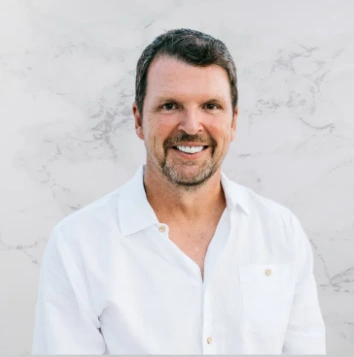
Spotlight Series topic: Brotzman Sports Medicine and OptiMetabolics
Guest Name: Dr. Brent Brotzman
Guest Credentials: MD
Discussion Details:
- Leader in Orthopedic Medicine
- Author of “Clinical Orthopedic Rehabilitation”
- Discussed Orthopedic practice and Metabolic health with his company “Optimetabolics”
Benefit of Watching
- In Depth view of a leader in the field of Orthopedics and Metabolic Health
- Insight into Dr. Brotzman’s care and wholistic approach to providing a better quality of life for his patients
Address of guest’s business:
Brotzman Sports Medicine
11652 Jollyville Road
Austin, TX 78759
Dr. Joshua Lyon: Hi everyone, I’m Joshua Lyon, a physical therapist and owner of Propel Physical Therapy and the host of the provider spotlight series. With us today is Dr. Brent Brotzman. He’s been an orthopedic surgeon for the past three decades, so ton of experience. He’s an author and he’s not only the owner of Brotzman Sports Medicine here in Austin, Texas. He also launched a business focusing on metabolic health called OptiMetabolics. In addition to his many professional accomplishments, he’s a father of five, an elite tennis player. So, I know you’re gonna learn a ton from him and I’m thrilled to have you on the show. Thanks for joining me.
Dr. Brent Brotzman: Oh, I like it when you say elite. All my buddies I play tennis with are going to love that one.
Dr. Joshua Lyon: The rumors out there that you’re elite, so you know, we can stick with it for now.
Dr. Brent Brotzman: And uh you got in spiraling down slowly slowly.
Dr. Joshua Lyon: Okay. Well, I love it. Again, being active. I know you’re big into that. And just um again, people want to hear about you and learn about you. So, just super informal. I want to hear about your background. What got you into healthcare? What got you specifically into orthopedics and just some of that evolution for you?
Dr. Brent Brotzman: Well, Josh, when you say I’ve been doing it 30 years, I’m thinking that can’t be right. But it is 30 years plus, you know, another 14 of training. So, I’m getting a little long in the tooth, but I love it. Yeah. Started back when the, you know, we were riding horses to the to the clinic. It’s it’s almost that long ago, but making making house calls, right, at that at that those days with an old leather bag. wasn’t quite that old, but it seems like it. Now, I’ll tell you, it’s interesting. Um, my story of why I got into medicine is kind of a a cool unique one. I think back when I was a kid, born in ‘ 62, so in the 70s, um, I had a bunch of tonsillitis or, you know, always had strep infections. And back in the 70s, they would give us a bunch of injections of penicillin. And so, about the sixth or seventh one, I had an anaphylactic reaction. and my parents, you know, could never talk about it, traumatized. But apparently I was a full code completely dead and my primary care and my family doctor, Dr. Hamm there in Pasadena, Texas, basically always kept his patients there for a few minutes, make sure they didn’t have a reaction. So he came running in and very calmly gave me the full code, brought me back to life, and my parents were like, “Wow, you know, crazy.” So once I kind of got older, knew the magnitude of the fact that you know he he had been very conscientious and had kept me around and then he had been cool under pressure and you know saved my life. I was like sorry I think about that story get a little emotional but anyway I think about you know so I like to do that for other people. Not to say that I want to be doing running full codes on my pages, but um so I thought, wow, you know, he did that for me. I’d like to do that for other folks. So that was easy for me. So at that point, you know, school and everything’s like that’s what I want to do. You know, all my friends like I don’t know what I want to do and that was easy. So yeah.
Dr. Joshua Lyon: Okay. And how how old were you said when uh when you had that full code?
Dr. Brent Brotzman: I was seven and I probably you know when I Yeah. Um, and so when my parents kind of told me in high school when I kind of kind of figured out the gravity of what had happened, I thought, “Okay, that’s what I want to do.”
Dr. Joshua Lyon: So that’s awesome. Talk to me a little bit if you don’t mind about kind of the evolution of like becoming an orthopedic surgeon, what you’re akin to to treating ideally, and then even the shift now into the metabolic health, the business that you’re running there. Talk a little bit about this this evolution.
Dr. Brent Brotzman: I thought I wanted to be a family doctor because I kind of love that dynamic. But when I went through school, I mean, all the family practitioners seemed like they were miserable as did the patients because, you know, they were kind of, you know, they were telling them, “Hey, you need to eat less, move more, you need to do caloric restriction, all the stuff that, you know, we we kind of know is wrong. You know, you need to a lowfat diet and, you know, low cholesterol.” And so, you know, all these folks were gaining weight and the the primary cares were saying, “Hey, you’re not doing what we’re towing to And the patient saying, “I’m doing exactly what you told me.” So everybody was unhappy. So as my oldest of my five kids always tells me, you know, we go to movies together. I only like the movies with the happy endings. And he’s like, “Hey, Dad, you know, every movie can’t have a happy ending.” But when you’re in the doctor’s office all day long seeing the human condition, you like happy endings. So at that point, I thought, “Okay, I’d like to be a family practice, but you know, everybody’s miserable. They’re not really nobody seems to be kind of getting what they need out of it.” So that’s when I decided I want to do some type of surgical training and and then you know as an athlete you know all orthopedic surgeons are strong as an ox and half as smart and you know just former athletes you know so I can relate to all my athletes you know um so that was kind of orthopedics was uh spot on for me right right away
Dr. Joshua Lyon: so straws and ox and half as smart is that what you said now given the fact you’ve been doing this for decades you’ve written books you uh have you know been in clinical care for forever and even the standpoint of, you know, being heads of different organizations, uh, clinical instructors, clearly you’ve kind of done a little bit of everything. Talk about your your latest venture.
Dr. Brent Brotzman: Oh, I got to I want to tell you, you remind me of something funny on your physical therapy because you and I were talking about therapy the other day and of course, you know, we know each other well and we’ve known each other for a while and I love that’s the thing I love about you. I kind of have, you know, sports medicine orthopedics is kind of it’s got a lot of physical therapy in it and and it takes me back because, you know, I love it. You have a a great intellectual curiosity on some of the stuff where we’re discussing like, you know, why are we doing this ACL rehab this way? I learned it this way. You know, this this article says this, one of the funny things about therapy, I’ve always been really pro physical therapy is, you know, I was training at the Campbell Clinic. It was at the time supposedly the, you know, biggest best program in the country. and they wrote the big ortho book and so and I was actually doing some ghost writing for some guys because most doctors don’t like to write. My mom was an English teacher. So anyway, but at the time I was having, you know, you in the charity clinic, we we’d have 50 60 patients that we didn’t operate on. And so you wouldn’t know, you know, what I love about my practice, I see all the family. I see, you know, the first patient tears his ACL, then I see his wife, then I see, you know, so I I know everybody in the family. I know kind of their history. But in this charity setting, you know, you’d have you’d see 60 to 80 people a day with your crew and you didn’t know what stage of, you know, they were in their ortho care. So, I started looking in these obscure journals like the Journal of Sports Physical Therapy, which no orthopedic surgeon was reading. And I’m getting all these protocols and I’m putting them up on the uh on the the big charity clinic wall for myself so I can say, “Okay, so this guy’s two months out on a dislocated kneecap. I need to do this, this, and this.” Well, then I noticed all my um uh colleagues were stealing taking down my
Dr. Joshua Lyon: taking your protocols.
Dr. Brent Brotzman: Yeah. I’m like, “Hey guys, leave my protocols up there.” But then I thought, “Oh gosh.” Okay. So, there’s an I’m not the only one that’s kind of struggling. And so, what happened is I’m I’m doing some ghost writing for um you know, helping out some of my attendings with some of the book chapters and got to know the folks at Mosby Hardcore Elsevier, you know, huge medical publisher. I think they’re number two in the world. And so anyway, and I kept writing because it’s so important to have the, you know, I can do a beautiful ACL, but if you and I don’t and the patient don’t do a great job of rehabing it, you can do the most beautiful graft and, you know, perfect surgery, but if they come with no muscle and no motion, whatever. So, you know, therapy is really important. So, I kept in the ortho book, I kept writing in these therapy protocols and uh and they kept trashing them, you know, putting them in the trash. I was like, “Guys, really important.” and they said, “Brotzman, we’re an, you know, surgical um book, but you know, tell you what, if you want to, we’re going to give you a chance. We’ll let you write your rehab book.” So, that’s kind of how, you know, the books came about. And, you know, now I don’t write them because there’s so much great stuff on the internet, you know, is so much. But back then, there was not a great interface between ortho and PT. You know, you just send them over to the therapist and say, “Hey, rehab this rotator cuff.” and the goes, you know, and then sometimes the therapist would be being super aggressive and I’d say, “Hey, come on in. I want you to show you the surgery and I’d show them like the tendon that’s, you know, 3 millimeters thick and they’re like,
Dr. Joshua Lyon: yes, a little fragile.”
Dr. Brent Brotzman: Yeah. So, um, so the reason that, you know, book was a bestseller in 13 languages really did well, but I think it’s because it established it was not because of my writings thought my first one was horrible. I got better and better. But it was mainly because you know there need to be this common ground between therapy and ortho where we kind of like start talking the same language and a lot of orthopods like I won’t send my patient to a therapist because they’re going to rupture the rotator cuff that was way back and or they send over there say I don’t know anything about what they’re going to do and so we got this beautiful dialogue going back and forth you know because the therapist is super smart and they know stuff but they kind of need to hear from us we need to hear from them so we got some common dialogue.
Dr. Joshua Lyon: Yeah, I always enjoy your our interaction on our patients because it just reminds me of, you know, all the years with therapists.
Dr. Brent Brotzman: The problem is you guys always like to say, “Okay, a Brotzman, you wrote this book. Here’s a really hard one.” It’s like, “Just give me the easy one.”
Dr. Joshua Lyon: Yeah. Well, the fact that you again literally wrote the book, you know, I think we as PTs tend to like, “Cool, I see the protocol. What can I do different to unique?” It’s like, “Hey, it’s it’s been proven. It’s pretty well established.” But the fact that your life experienced everything from becoming a a surgeon and going into healthcare from your experience as a child to growing up with your mother as an English teacher. So now you’ve got a little bit more familiarity with with writing and comfort and that that just kind of all those life experiences led to, you know, some of the incredible things you’ve done. So um I didn’t realize the book was written in 13 languages. I knew it was big, but um I had it in school actually. I think I told you this your your rehab book. So like required reading required reading. I had to purchase that bad boy. It was good though.
Dr. Brent Brotzman: Um around here give me a hard time like hey I give you back then say I give you a free copy like I already paid for it.
Dr. Joshua Lyon: Yeah.
Dr. Brent Brotzman: But but yeah I mean that what was cool about it is my parents always encouraged me to kind of think outside the box or you know hey if you’re struggling then you know think about okay other people are struggling and what can you do to make it better for them or for you. So that was kind of how I started going down the metabolic health, you know, venue was, yeah, I’m very observant. You know, uh, Teresa, my wife, would say probably not that observant, but in the clinic, you I’m an idiot a lot. In the clinic, I’m very observant at the house when the trash is piling up, not quite so observant, right?
Dr. Joshua Lyon: Yeah, we’ll have. It’s a trained eye. It’s a trained eye.
Dr. Brent Brotzman: So, great. But yeah, there in clinic, you know, when you’re lucky enough to be blessed with seeing the same folks for 30 years, the families and you have relationships with them and you’re saying, “Wow, okay.” So, I’m hearing all these paradigms, you know, the calories in, calories out, all that, you know, low fat, all that. But it doesn’t seem, you know, it’s all about eat less, move more, all that stuff. Well, none of that was kind of working out. And then I was seeing all these kind of interesting trends like one of the things that we have a lot about is leptin. And I s I read some obscure article about leptin and then and it kind of applied to a lot of stuff I saw in knee surgery or I’ll tell you a really interesting one was I kept seeing folks with gout. You know I’d see a lot of gout arthropathy on foot and ankle and knee surgery stuff that I would do. So these patients would have gout which is you know uric acid but they would every time I got an x-ray them almost every one of them had calcification of their arteries. And so I was like what is the relationship? Why do these people with gout almost invariably have um you know calcific artery you know deposition which is indicative of atherosclerotic cardiovascular disease or having you know cholesterol plaques and as it turns out it’s it’s uh that’s one of the cool things in the book I’m writing now and also with our company is it turns out that you know that there’s some properties of fructose dietary fructose and that when you eat a bunch of it goes immediately to your liver your liver can’t um process it like it does glucose So you basically go instead of making ATP uh the fructose kind of knocks out liver and it goes ATP ADP AMP to uric acid and uric acid turns out to be a huge oxidative stress to all your endothelial cells or little cells in your arteries and it disrupts the junction. So you get um disruption at the blood-brain barrier, you get disruption at your arteries, you know, uh small and medium arteries, you have problems, same disruption uh leaky gut syndrome is part of this fructose issue because it the same endothelium line your gut and so you get some leaking at the junctions. So it’s, you know, it’s crazy over the years, you’re like, okay, so you started putting it together and reading obscure journals and figuring out, you know, certain pathways and now we’ve got some really interesting stuff in our metabolic health around that.
Dr. Joshua Lyon: So I love that. So the fact that you’ve more or less cared for a patient across a lot of their lifetime, you’ve seen them for multiple injuries or family members and you’ve kind of walked through their life. You know this then probably better than most where people wait and wait and wait until something’s truly an issue. As you reflect on that and with OptiMetabolics, what would you recommend or talk to folks about getting things addressed early before you now have a lifestyle change that you have to make?
Dr. Brent Brotzman: Yeah, I mean I think that goes across orthopedic surgery, that goes across metabolic health, OptiMetabolics. My mom hated to go to the doctor because she didn’t want to, you know, ever get bad news and and a lot of our patients say I don’t want to do therapy unless, you know, it’s posttop, but when I was a kid, we never heard the word core. I guess we had pretty good core, but you know, we just weren’t as attuned to it. And I guess we probably had some of it, but I would say, you know, if you’re having like back pain and uh your doc says, “Hey, go to the therapist and get a strong core and then, you know, do some of these extension exercises.” I think that’s so much better than, you know, having we have to send you to the neurosurgeon to have your, you know, discuss or a fusion in your backs. So, that’s part of it. And then it’s huge in in um with this with OptiMetabolics with your metabolic health because you know a lot of stuff we’re we’re seeing for our patients are 20 years ahead of you know like we have some interesting studies where they looked at um 19,000 functional MRIs and they showed that Alzheimer’s disease which is really if you look it up they call it type three diabetes or insulin resistance of the brain. uh basically um Alzheimer’s disease starts showing changes in these functional MRIs in your late 40s and what’s happening is you’re getting so many blood sugar spikes from the standard American diet and your pancreas is producing all this insulin you got excess insulin over time the the brain cells in your brain start downregulating the insulin receptors and pretty soon you can’t get any sugar into those cells and then so they they’re showing that that actually starts being a problem for in your 40s and by the time you’re symptomatic back in your 70s, you know, the big farmer wants to tell you, well, we’re just going to pull out the uh misfolded proteins out of your brain. Well, the brain cell’s dead. So, it’s kind of one of these things where, you know, if you’re looking through the lens of that’s the problem a little bit with western medicine and the way they teach us in med school, it’s like, okay, the patient comes in with disease X or problem X and now you’re going to treat the disease. But that you don’t even get in ortho um you don’t even get reimbursed for as I you know as I started transitioning to a lot of metabolic stuff preventative and one of my astute um medical assistants who’s been with me for 15 years says you know Brotzman we’re not getting paid for all this preventative stuff but it’s important so so yeah so I think it’s critical you know you don’t want your brain cell to be dead at 70 you know you you definitely would like to come in and get a work up or have the knowledge of wow okay so Alzheimer’s disease is neurodegenerative but it it starts 80% of folks that have it in the Mayo Clinic registry either had pre-diabetes or type two diabetes it’s multifactorial but x amount of it you know involves insulin resistance syndrome there’s a bunch of books Ben Bikman’s got a good one so if you know that and you can uh say hey okay so insulin resistance how do I get out of that okay quit eating uh blood sugar spiking stuff get my insulin down to six. Knowing that in your 40s is critical because, you know, Western medicine likes to think that everything’s a blue sunshiny day and then one day a lightning bolt comes down you got cancer, you got diabetes, you got, you know, and that’s not the way it goes. It’s you’ve got a a fertile soil growing some things you don’t want to grow and it’s not a blue sky, but you know, you’re kind of in a western medicine non-preventative um scenario. So, you know, it’s physical therapy is the same way. If you’ve got a good core strength, if your therapist has told you this is how you squat down, uh you know, and gives you good ergonomics at your desk or ergonomics for how you’re lifting things or uh what you and I love is sport specific ergonomics. So, it’s like, hey, you know, you’re hitting this big semi-western forehand, but you’re leading with your elbow. It’s tearing your uh medial collateral ligament. So, we got to get your pro to change your form. We’ve got you’re doing too much in a day. we got to change up your training regimen. I think it’s critical in, you know, as an athlete, as a person who’s sitting at a desk all day long, as somebody who’s trying to eat right, and um, you know, a lot of the paradigms that we’re following are kind of false monetarily motivated paradigms. So, it’s kind of good for somebody to tell you, hey, what the, you know, here’s the real thing to pursue.
Dr. Joshua Lyon: Um, so okay. So you’ve got someone who at my age in their 40s and now you know they may not see the results of something until their 60s7s but there’s underlying things happening now. Uh what would you tell someone who like otherwise feels fine but isn’t realizing this kind of slow cumulative effect slow decline whatever you want to call it. How would someone like me best connect with you and like what what would I need to do next steps then to get my baseline established and see where I stand so I can prevent stuff before I’m 60 70 80.
Dr. Brent Brotzman: Yeah, that’s a great question. Well, we’ve got right now we um we’ve done a a bunch of betas um through multiple ways and had great great success with them. We’re uh we’re trying to do um we’ve got kind of a platinum program where we you know optimetabolics.com where we we get a 100 biomarkers you know lab work and we do 100 biometrics and we put you in this you know crazy thing where we look up all your oxidative stresses your inflammatory stresses all the things that can kill you. So, we’re we’re giving you risk ratios for the top 10 causes of mortality in about 70% of chronic disease, and we’re giving you your methylation status, your biologic age, your cancer, risk of cancer, all that. That’s really cool. But we’re also working on um we’ve got some other interesting things where we’re also I think going to be able to do a snapshot where folks can send in their lab to us and we can say okay look you know your your doctor thinks uric acid is related to gout and your and your parameters are seven but we’ve got several studies here that show that uric acid is related to excess fructose. So you’re eating too much sugar 50% of sugar is glucose 50% is fructose. you got this excess fructose and that’s you know going to uric acid which has this horrible oxidative stress to your arteries. So we’ll give it to you in another metric. So we’re kind of we’re working on kind of looking at at your current labs and giving you a snapshot or here’s the things you need to look at. So you know and GGT I’ll give you one other interesting one. So, GGT is everybody looks at it as just it’s a uh a lab metric for to assess your liver and it’s uh to see if your liver is healthy. But what it’s really telling you is we’ve all got this huge antioxidant system that’s glutathione-based. And so if your GGT level is off, that means your body’s undergoing a bunch of oxidative stress and it’s having to use a lot of the glutathione-based antioxidant. So we’re giving it to you from a different lens. It’s just not your liver. It’s, you know, so and you just I’m sure you probably saw because you have young kids that they they came out recently and said, “Hey, you really don’t want to give kids Tylenol.”
Dr. Joshua Lyon: Yeah.
Dr. Brent Brotzman: Because Tylenol is tough and it like even a lot of times they were given around the time of vaccines, which is a problem because Tylenol puts a huge oxidative stress on your whole system and so requires a lot of this glutathione based antioxidant system. So they’re basically just saying don’t use Tylenol now. Okay. So anyways it’s it’s you know it’s the body is an amazing thing with lots of stuff going and when you look back at the miracle populations they weren’t really miracle populations. They were just we are not a miracle population. You know they they were their antioxidant system wasn’t getting overwhelmed and they did have people tell them to eat six times a day small meals with elevated insulin. So yeah, it’s it’s interesting, but I would say, you know, come to optimetabolics.com and we’ll give you lots of interesting educational stuff and then hopefully we can work you uh up and just basically see, you know, if you have any big underlying problems that may manifest later. It’s always better to know now than later.
Dr. Joshua Lyon: Yeah. Well, like I said, the the miracle of the human body be able to withstand decades of stress before something finally, you know, gives out is incredible. But, um, say say you’re like me and maybe diet’s not in the forefront of your mind or maybe you need a little accountability or, you know, handholding, however you want to word that. Great. I get my baseline established. I know where I stand uh on all these lab values. What’s what’s next in the pipeline then to to kind of get me to a better state?
Dr. Brent Brotzman: Yeah. What we’re doing is we we check our folks every uh every quarter we do repeat lab work and we also have uh coaching with our coaches and we have this huge it’s great. So like everybody always says hey Brotzman are you selling supplements and I’m like you know is your company is the supplement he’s like no the key is we don’t want to sell you antioxidants we want to tell you what the oxidative stress is. It’s like, you know, if you’re putting maple syrup into your gas tank and then somebody comes along and says, “Hey, here’s some uh here’s some STP fuel cleaner, that’s kind of like an antioxidant.” Well, maybe that’s going to help, but the key is don’t we don’t want the maple syrup in the gas tank, you know, but oxidative stress. So, um, so our big premise, so what we do is we look it all over and we put it out. We give you your risk stratification for cancer, you know, the top 10 causes of death and and then we how to mitigate it. And then you can click on the thing and say GGT Brotzman’s talking about GGT is some liver thing. And it pulls up and it gives you all the information one. It’ll send you to educational sites. It tells you what your lab value is compared to, you know, why it’s important, all that. So, it’s very educational. And then we’re following you along. And so a lot of our, you know, and we give you a lot of educational stuff because one of my uh clients the other day said, “Oh man, I had to give up Diet Coke. You’re killing me.” But, you know, she wouldn’t up until I I I gave her the there’s that huge Harvard study that shows two sugar sweetened beverages or artificially sweetened beverages. Two a day, you know, increases your mortality risk by 21%, your diabetes, type two diabetes by 67% increases your cancer rates. And this is like, you know, it was done with uh 14 million years of, you know, it’s a a 30-year long study with 100,000 plus folks, you know, and they they matched all these other things, and it’s just a beautiful study. So, when I show people the study, like, ah, damn, I got to give up the Diet Coke.
Dr. Joshua Lyon: Pretty pretty convincing at that point.
Dr. Brent Brotzman: Well, magically it and it it’s fascinating. Then you’re all a sudden your um your glucose levels fasting glucose are doing better, your insulin’s doing better, your oxygen. It’s like it’s magical how that happened, you know. So, it’s really rewarding and it’s and it’s been great to see our folks muscle up and get less oxidative stress and have all their lab work start to look good and losing their visceral fat. It’s been good.
Dr. Joshua Lyon: That’s awesome. Well, great. Well, wrapping up here, you know, any final thoughts or comments you’d like to convey to the audience about either yourself, uh, your sports medicine practice, OptiMetabolics, uh, any any parting words for anyone tuning in?
Dr. Brent Brotzman: Uh, you know, I love I I like it to I’m glad you and I get to talk because, um, I enjoy our conversations. you know, I wouldn’t say you’re at the beginning of your career because you’re, you know, you’re just not ancient like me, but I love sharing the, you know, the surgeon in me and the kind of the seeing the family, you know, I feel like it’s kind of like almost a little bit of a family practice because, like I said, I like to see grandma and the kids and and mom and dad, but um I love it. you know, I feel like you’re one of the guys that kind of sees it in the same light I do, which is, you know, okay, um, we have problem X and and and we’ve got to apply, you know, it’s not just like cookie cutter. It’s like, okay, so you’re a soccer player and you’re having, you know, weakness in your VMO. We’re worried, we’re afraid that if you go to the position of no return with your knee that you’re going to tear your ACL. So, let’s do these preventative measures, you know, to strengthen your thigh. Let’s do it in a way that it’s closed chain and it’s not going to hurt your kneecap. So, you know, I think you and I have a very sim similar philosophical approach. Nobody, you know, insurance doesn’t reward you for it. You know that you don’t get any money. They don’t they don’t for much of anything nowadays in therapy, but you know, you go home feeling good knowing, okay, well, you know, this volleyball player when she jumps, she’s not going to go into valgus or the position overturn or this soccer player should be, you know, less likely to have the injury. So, I always enjoy our conversations together on that. You’re one of the guys that I think truly believes in prevention, you know, an ounce of prevention type deal with a pound of cure. And I think that’s, you know, as a surgeon, you really, you know, we got plenty of surgeries. You don’t want to have surgery unless you have to. And so, we we try to prevent it for you.
Dr. Joshua Lyon: So, awesome. Well, thank you for that. And, uh, excited for your next book coming out regarding the metabolic health stuff and all things optimetabolics.com. I’m excited to see that grow and thank you for your time today. It was awesome. Pleasure having you on the show and uh have a great day.
Dr. Brent Brotzman: Yeah, I can just barely work these controls. You know, was the old guy was like, “Where’s my horse riding?” All right. Thanks. Have a good one.