
Seventeen services. You don’t have to pick one.
Every service on this page runs through the same evaluation, the same Doctor of Physical Therapy, and the same plan with an endpoint. Which of them you actually get is decided at the evaluation, not on this page.
The Standard
Seventeen is a lot of entries for one clinic, and almost nobody arrives already knowing which of them they need. There is no reason you should. Choosing is our job, and it happens at the evaluation rather than on this page. Every visit opens the same way regardless of where you eventually land: a cause-first evaluation with a Doctor of Physical Therapy, one-on-one, looking for the reason the problem exists instead of guessing at the loudest symptom.
From there, care moves through four named phases, Pain, Prime, Perform, Prevent, and every entry below exists to do a job somewhere inside that structure. The first eight are care lines: the plan itself, aimed at a region, a surgery, or a stage of life. The next six are tools your doctor brings into a visit when the evaluation says the tissue calls for them, not products you sign up for and renew. The next two are soft tissue work that supports the plan, and the last covers care after a car accident or other personal injury. Seventeen doors, one standard behind all of them.
Guessing on your own is what costs people the most time. The massage that felt wonderful for a day and changed nothing. The strength program aimed at the wrong joint because nobody tested the one above it or the one below it first. A back that has been managed with rest and hope since spring rarely arrives alone: it usually brings a stiff hip and a set of habits with it, and those take longer to undo than the original problem would have.
- Step one
- Cause-first evaluation, every service
- Delivery
- One-on-one with a Doctor of Physical Therapy
- Visit length
- 40 minutes
- Structure
- Four phases: Pain, Prime, Perform, Prevent
- Endpoint
- Named at evaluation, reviewed every phase
The Services
Every physical therapy service, in one index.
Grouped by how each one gets used, not by how impressive it sounds. Read the summaries, or skip them; the evaluation decides either way.
Eight servicesCare lines.
The plan itself, pointed at a body region, a surgery, or a stage of life. Most people start and finish inside one of these eight.

Physical Therapy
This is the foundation, and it is where most plans start and finish. A Doctor of Physical Therapy runs a cause-first evaluation, treats you hands-on from the first visit, and writes a plan with an endpoint you agree to before you begin. Everything else on this page is something we add to this, not something you buy instead of it. No referral is needed in Texas.
Learn more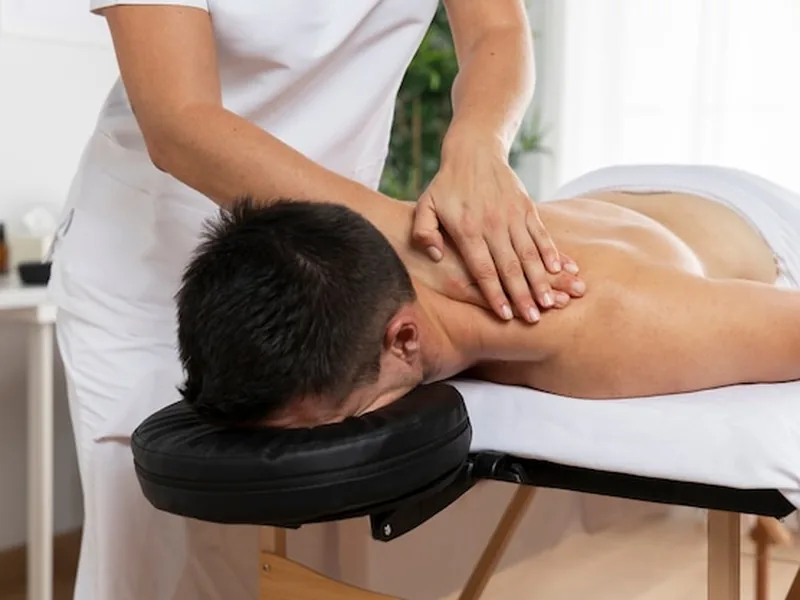
Manual Therapy
Hands on the joint, the muscle, and the nerve that is not moving the way it should. Manual therapy opens a range of motion that exercise alone cannot reach yet, so it usually runs early in a plan, through Pain and Prime, clearing the way for the strength work behind it. Your Doctor of Physical Therapy does it in the same visit, on the structures the evaluation actually flagged, and then tests whether the change held.
Learn more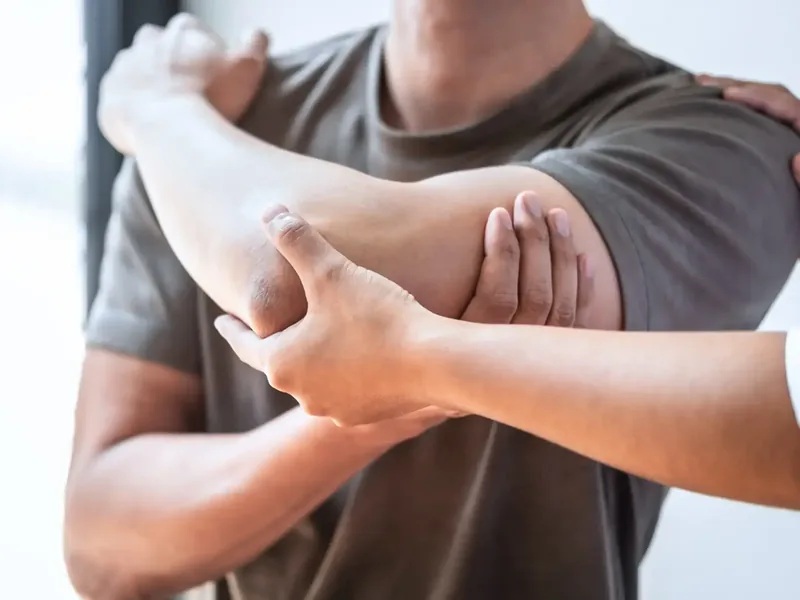
Orthopedic Therapy
The care line for bones, joints, muscles, and ligaments: the sprain that never fully settled, the arthritic knee, the shoulder you have guarded since the fall. Orthopedic therapy is physical therapy pointed at a specific structure, with testing to confirm which one before anyone treats it. It is what most people mean when they say they need PT, and it moves through Pain, Prime, Perform, Prevent like every other plan here.
Learn more
Sports Rehab
For the athlete, the weekend runner, and the parent who still plays. Sports rehab picks up where basic pain relief stops: it rebuilds the strength, the speed, and the change of direction your sport actually asks for, then tests whether you pass before you go back. Return to play is something you earn on the floor here, not a date somebody circled on a calendar.
Learn more
Therapeutic Exercise
The prescribed half of your plan: specific movements, specific loads, specific reasons, adjusted every time we retest. Therapeutic exercise is what turns a good week of hands-on care into a change that holds, and it carries the Perform and Prevent phases almost by itself. Your Doctor of Physical Therapy coaches it in the room rather than handing you a printed sheet.
Learn more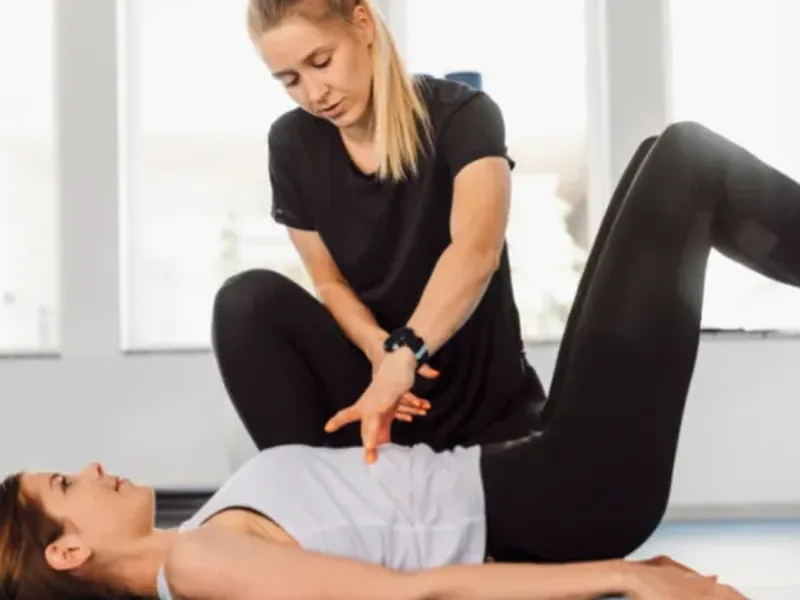
Pelvic Floor Therapy
Just because it is common does not make it normal. Pelvic floor therapy treats bladder and bowel symptoms, pregnancy and postpartum recovery, labor preparation, and pelvic pain, including pain with intimacy. It happens in a private room, one-on-one with a Doctor of Physical Therapy trained specifically for it, and it opens with the same cause-first evaluation as everything else here.
Learn more
Pre & Post Surgical Rehab
Surgery is one day. What happens in the weeks on either side of it decides how the year goes. Before an operation we build the strength and range you will be borrowing against afterward. After it we follow your surgeon’s protocol and rebuild in order, without rushing the tissue or wasting the window.
Learn more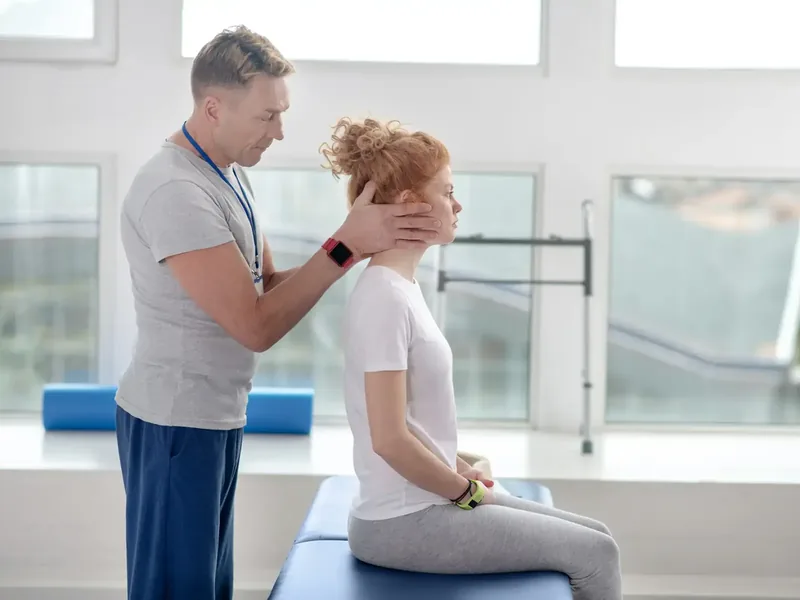
Vestibular Therapy
For dizziness, vertigo, and the unsteadiness that has quietly changed how you cross a room. Vestibular therapy retrains the inner ear and the balance system together, using positional testing and treatment for the spinning kind and graded habituation for the rest. It can end a problem quickly when the cause is the right one, which is exactly why the evaluation comes first.
Learn moreSix servicesTools inside a plan.
Prescribed at the evaluation, delivered by your doctor during a visit, and stopped when the job is done. None of these six is sold as a standing appointment.
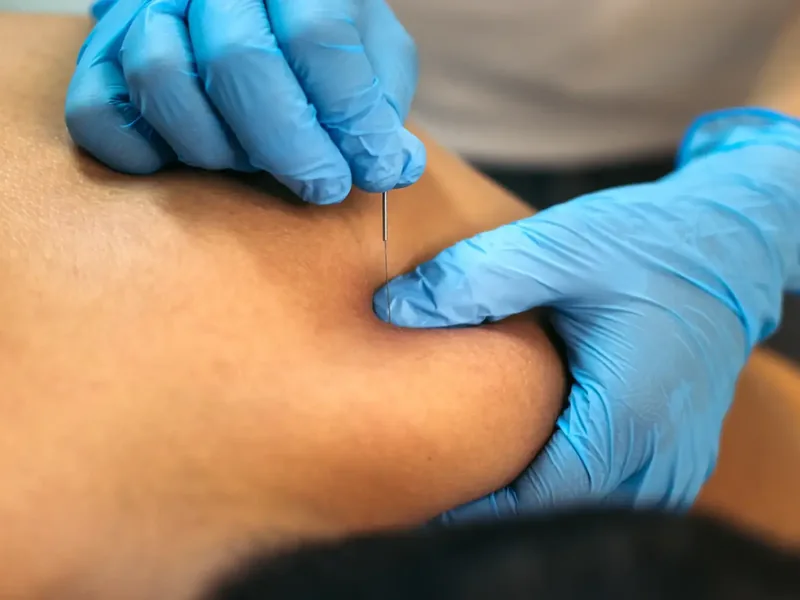
Dry Needling
A thin filament needle into the trigger point that has outlasted stretching, foam rolling, and time. Dry needling releases the knot and quiets the pain signal around it, which buys a window where the range work and the strength work finally take. It is a tool inside a plan, never a standing weekly appointment.
Learn more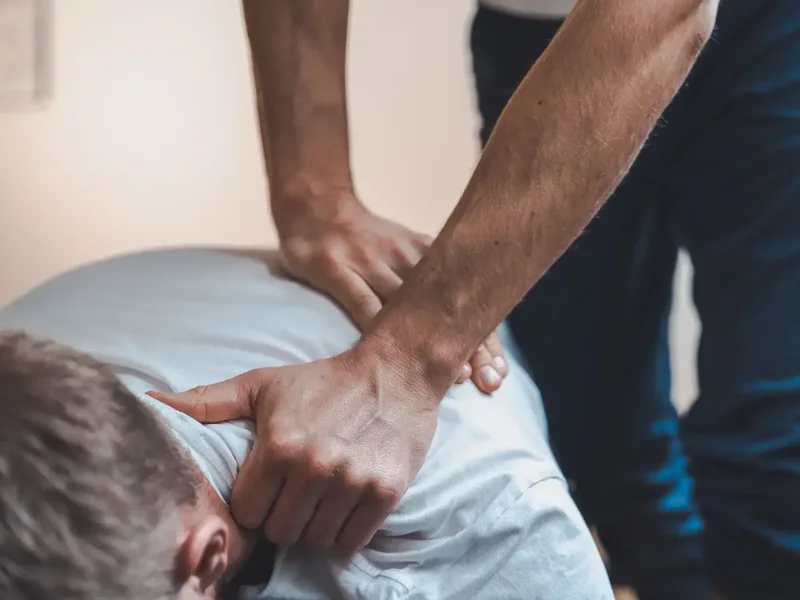
Spinal Manipulation
A precise, controlled movement to a spinal segment that has stopped gliding the way the ones above and below it do. Done well it restores motion and settles the irritation around it in a few seconds, and that window gets spent immediately on the range and strength work that makes it hold. It is never the whole plan.
Learn more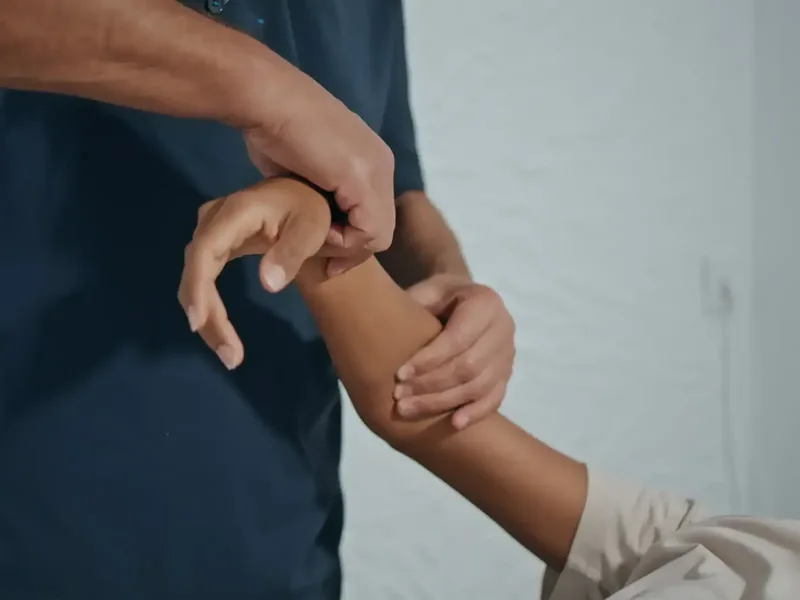
Active Release Technique
Pressure held on a specific muscle or nerve while you move the limb through its range, so the tissue and the glide get treated at the same time. Active Release Technique is aimed at adhesion: the scarred, sticky spots left behind by old injuries, repetitive work, and long hours at a desk.
Learn more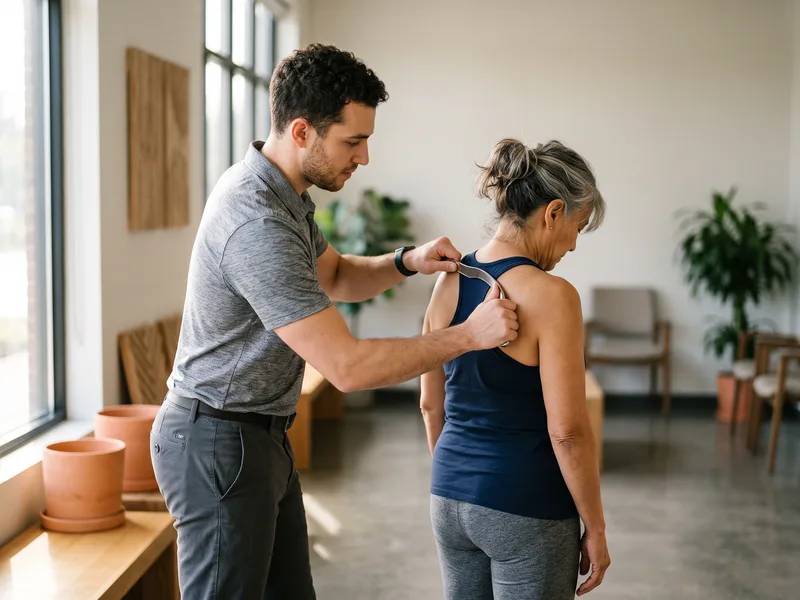
Graston Technique
Stainless steel instruments run along tissue that has thickened, scarred, or stopped sliding. Graston fits chronic tendon problems, surgical scar, plantar fascia, and the IT band that never loosens. Expect to be loaded that same visit, because the instrument opens the door and the exercise walks through it.
Learn more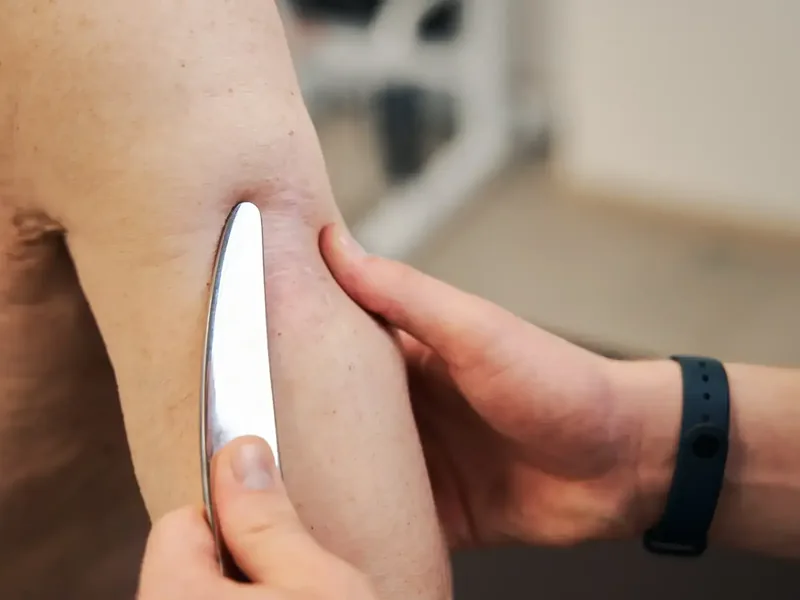
IASTM
Instrument-assisted soft tissue mobilization: the broader family Graston belongs to, using different tool shapes and edges to reach restriction wherever it sits. On its own it is a pleasant twenty minutes. Inside a plan, it is what makes the next set of reps possible.
Learn more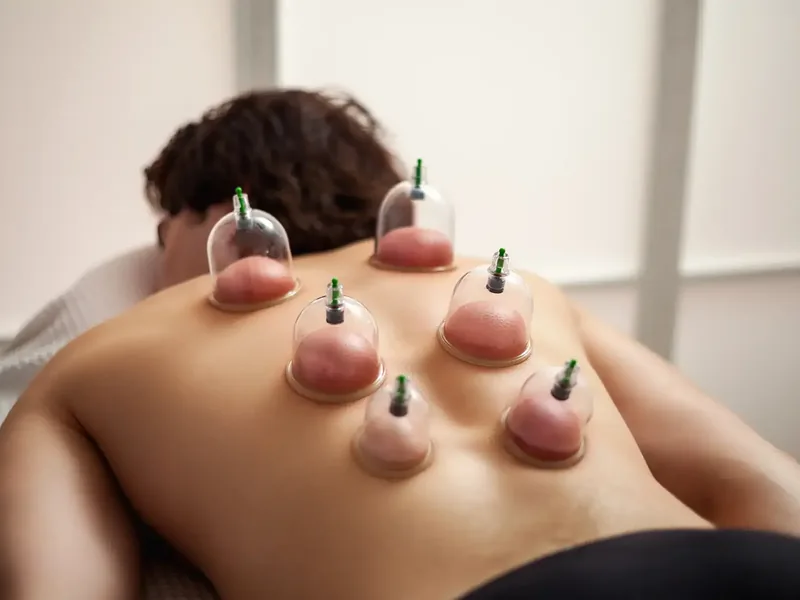
Cupping
Suction cups lifting the tissue instead of pressing into it. Cupping helps with broad muscular tightness and the thick, congested feeling in a back or a set of calves that will not release. It is comfortable, the marks fade, and it belongs to Pain and Prime: a way to buy range, not a treatment you keep on subscription.
Learn moreTwo servicesSoft tissue and recovery.
Hands-on work that supports the plan rather than standing in for it.
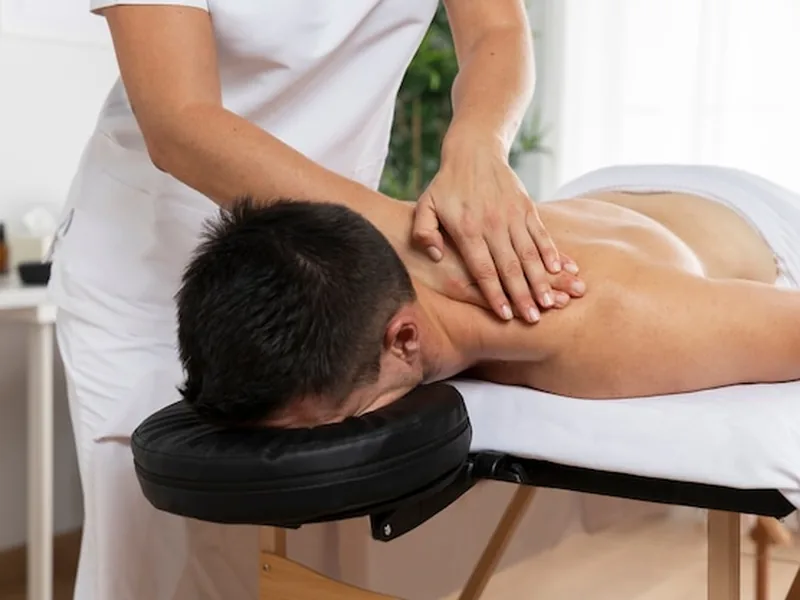
Massage Therapy
Recovery-grade soft tissue work that supports what your Doctor of Physical Therapy is already treating: circulation, tone, and the general tightness that settles around an injury and slows everything down. Used at the right point in a plan it makes the hands-on and the strength work land better. Used instead of a plan, it feels good until Tuesday.
Learn more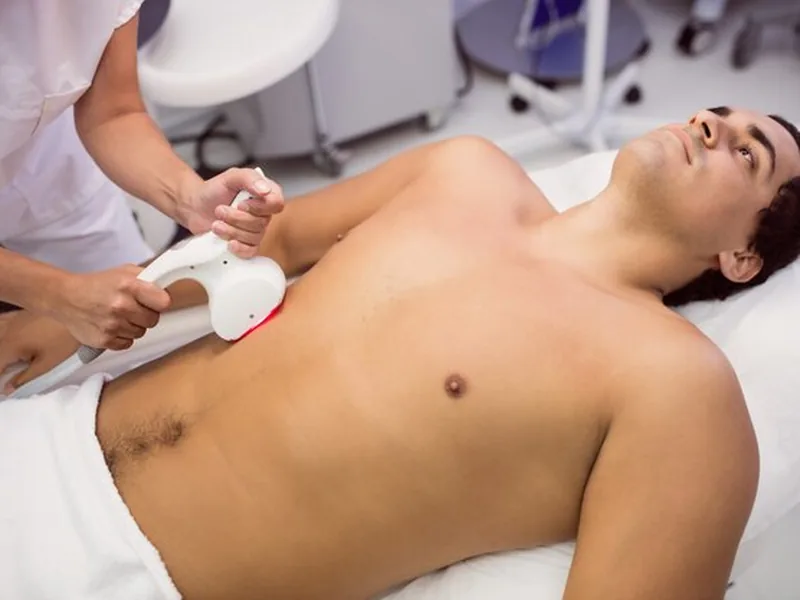
Lymphatic Drainage Massage
A light, rhythmic, skin-level technique for swelling and fluid, after surgery or alongside lymphedema. It gets called in where swelling is the limiting factor: recovery from orthopedic or cosmetic surgery, chronic swelling that will not settle, and athletic recovery between hard weeks. Inside a plan with an endpoint, never sold as a cure.
Learn moreLetter of ProtectionAfter an accident.
The same one-on-one care, for patients recovering from a car accident or other personal injury case.

How To Choose
Not sure which one is yours? You don’t have to be.
If you have read this far down a list of seventeen before booking anything, you are not being fussy. You are trying to spend your money once and get the right thing, which is good judgment and exactly what the evaluation protects. Describe what is going on in your own words and your Doctor of Physical Therapy routes you to the right care line, and to whichever tools belong inside it, before you have spent a dollar guessing.
A rough starting point, if you want one. New pain, or pain that has been nagging for weeks, usually starts with physical therapy or orthopedic therapy. A return to a sport starts with sports rehab. Surgery on the calendar, or surgery behind you, starts with pre and post surgical rehab. Dizziness and vertigo start with vestibular therapy. The symptoms nobody says out loud start with pelvic floor. Everything from dry needling down the list is a tool your doctor may add once the evaluation says the tissue calls for it, which is the reason none of them are sold on their own.
Treat that paragraph as a guess rather than a diagnosis, the same way we would. If you already know your symptom better than you know the service, start on What We Treat instead and work backward from there.
Talk to a SpecialistBook Your Visit
Put it in writing.
Five short questions. A real person from our front desk calls you back with times that fit your week. No phone tree, no ‘someone will reach out.’ Rather pick a slot yourself? Book online any time.
- Hours Mon–Fri 7:00 am – 5:00 pm
- (512) 243-7717 Prefer to talk now? Call us.
- Book online Choose your own time. No referral needed.
5.0 · 94 Google reviews
A real person calls you back during office hours
Step 1 of 5
Request sent.
That’s the hard part done. We’ll call during business hours to lock in your time.
Visit Us
Easy to find, off Cypress Creek Road.
Suite 203 on Cypress Creek Road in Cedar Park, open Monday to Friday from seven. Come see the place before you commit, if you like.
Propel Physical Therapy
- 351 Cypress Creek Road #203, Cedar Park, TX 78613
- (512) 243-7717
- Fax: (512) 233-2233
- admin@propelpts.com
- Mon–Fri 7:00 am – 5:00 pm · Closed weekends
- Also serving Leander, Brushy Creek, Jonestown, Austin, Round Rock & Georgetown