
1
We clear the pathways first.
A light, rhythmic, skin-level technique for swelling and fluid, after surgery or alongside lymphedema: gentle work with a Doctor of Physical Therapy, inside a plan with an endpoint, never sold as a cure.
What It Is
Your lymphatic system is the drainage network that carries fluid, waste, and immune cells out of tissue and back into circulation. It has no pump of its own. It depends on movement, breathing, and changes in pressure to keep things flowing, which is why surgery, an injury, or a long stretch of sitting still can leave fluid pooled where it has no business being.
Lymphatic drainage massage is the technique that helps it along: light, rhythmic, repeated strokes that stretch the skin rather than press into muscle. If you are expecting deep pressure, the first session will surprise you. The touch is deliberately light because the vessels being encouraged sit just under the surface, and pressing harder simply closes them.
The measured version of what it does, without the marketing: it can reduce swelling, support healing that is already underway, support the immune traffic that runs through the lymphatic system, and improve how tight, puffy skin over a swollen area looks and feels. What it does not do is treat a disease. It moves fluid. Where something like lymphedema is in the picture, the honest goal is control and comfort over time, not a cure.
It runs inside the same structure as everything else here, a cause-first evaluation and the four named phases, Pain, Prime, Perform, and Prevent, and it is delivered one-on-one by a Doctor of Physical Therapy trained in the technique. Patients come from Cedar Park and Leander for it, most often in the weeks after an operation, alongside the mobility and strength work the swelling has been holding up.
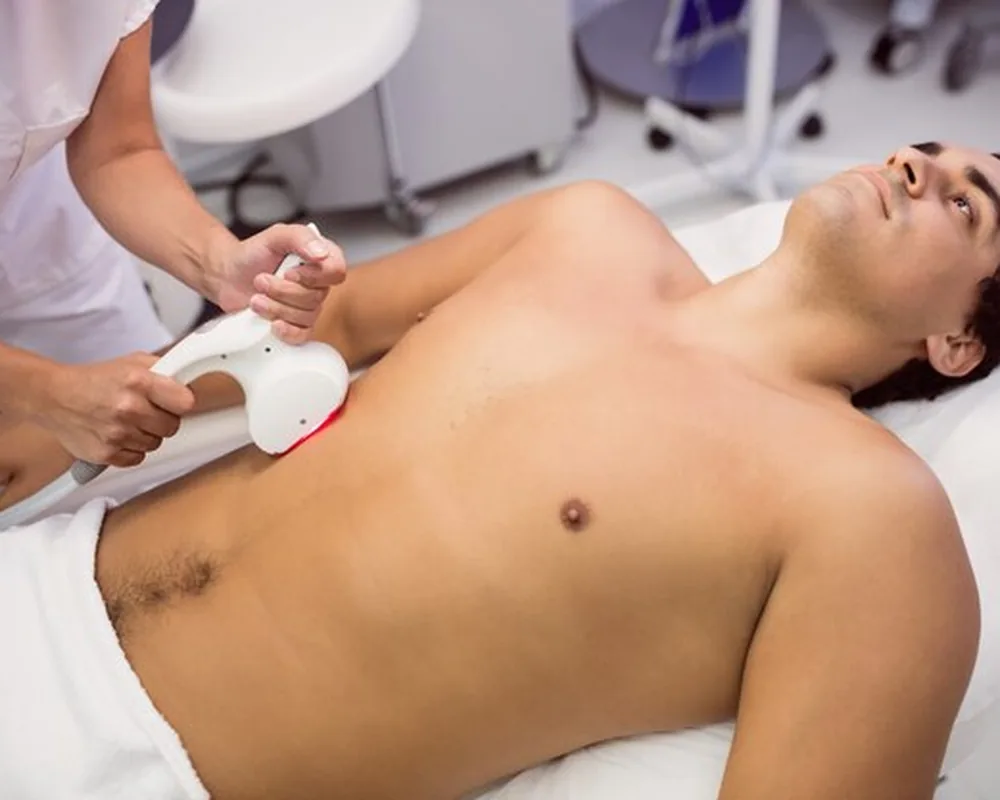 Light touch, skin level
What It Helps
It gets called in where swelling and fluid are the limiting factor: recovery from orthopedic or cosmetic surgery, primary and secondary lymphedema, chronic swelling that will not settle, the heaviness that comes with fibromyalgia and chronic fatigue, and athletic recovery between hard weeks. A sample of what it commonly supports:
Swelling that sits in a joint for weeks does more than look wrong. Fluid limits how far the knee bends, so you stop bending it that far, so the tissue stiffens exactly where it sat. The stretch of weeks after surgery when range of motion comes back easily is not a window that stays open. Getting fluid moving early is mostly about not spending the autumn earning back something you already had.
What A Session Looks Like
1
We clear the pathways first.
2
Light strokes toward the swelling.
3
A plan for the other six days.
The session is quiet and slow. You stay covered and comfortable, and your Doctor of Physical Therapy starts away from the swollen area rather than on it, clearing the pathways nearer the neck, chest, or groin first so the fluid has somewhere to go. Only then do the strokes work back toward the swelling, in short, repeated, skin-stretching passes that look like almost nothing and do most of the work.
It should not hurt. Most patients find it dull to watch and unexpectedly restful to receive, and many notice the area feels lighter before they get off the table. Afterwards: drink water, keep moving gently, and expect a few extra trips to the bathroom. Where compression garments or a short home routine belong in your plan, you leave knowing exactly how to use them between visits, because what happens on the other six days matters more than the 40 minutes on the table.
Who It’s For
Swelling after an orthopedic or cosmetic surgery.
Primary or secondary lymphedema being managed over time.
Chronic swelling and fluid retention that will not settle.
The heaviness that comes with fibromyalgia or chronic fatigue.
It fits people recovering from orthopedic or cosmetic surgery, people managing primary or secondary lymphedema, people living with chronic swelling and fluid retention, people carrying the heaviness that comes with fibromyalgia or chronic fatigue, and athletes trying to clear a hard week. Patients drive in from Leander and the rest of the north corridor for exactly this, and it is one of the few things they cannot easily improvise at home.
If you have read enough about lymphatic drainage to notice how much of it is sold as a detox, and what you actually want is somebody who will also tell you what it cannot do, that instinct is worth trusting. Bring the questions to your evaluation. We would rather answer them out loud than let you decide from a page.
It is not appropriate with an active infection, a known or suspected blood clot, untreated congestive heart failure, or an active, untreated cancer, and there are kidney and thyroid situations that change the answer as well. All of it is screened at your evaluation, and when the answer is no, you get the reason and a better option rather than a polite shrug.
Loved how welcoming and supportive everyone was.
Pairs Well With
Each of these is a tool inside the plan. None of them is the plan.
Questions, Answered
Gentle, slow, and repetitive. The strokes stretch the skin rather than press into muscle, because the vessels being encouraged sit just beneath the surface and firm pressure closes them. It should not hurt. Most patients find it unexpectedly relaxing, and many say the treated area already feels lighter before they are off the table.
A deep tissue or sports massage works muscle and fascia with real pressure. Lymphatic drainage works fluid, at skin level, with a fraction of that pressure and a specific order to the strokes. Different problem, different technique. If what is bothering you is a knot rather than swelling, ask about massage therapy instead.
It is the most common reason patients ask for it, after joint replacements and cosmetic procedures alike. Moving fluid out of a swollen area can make a joint easier to bend and the tissue easier to work with, which matters because early range of motion is far easier to keep than to win back later. Your surgeon’s timeline comes first, and we work inside it.
Not in the way that word usually gets used. Your liver and kidneys handle detoxification. What this technique does is help move fluid and waste out of tissue where it has pooled, which can reduce swelling, support healing already underway, and support the immune traffic that travels through the lymphatic system. That is a useful job. It is not a cleanse.
No, and be careful with anyone who suggests otherwise. Lymphedema is managed, not cured. What consistent lymphatic work can do is help control the swelling, ease the heaviness and tightness that come with it, and keep you moving well enough to do the rest of your plan. Your Doctor of Physical Therapy will tell you at your evaluation what a realistic result looks like for your situation.
Book Your Visit
Five short questions. A real person from our front desk calls you back with times that fit your week. No phone tree, no ‘someone will reach out.’ Rather pick a slot yourself? Book online any time.
5.0 · 94 Google reviews
A real person calls you back during office hours
Step 1 of 5
That’s the hard part done. We’ll call during business hours to lock in your time.
Visit Us
Suite 203 on Cypress Creek Road in Cedar Park, open Monday to Friday from seven. Come see the place before you commit, if you like.