
1
Bring your protocol.
The training that gets you to the operating room stronger, and the plan that gets you back out of it. One-on-one with a Doctor of Physical Therapy, built from your surgeon’s protocol, with an endpoint you agree to before you start.
What It Is
Two jobs, one care line. Prehab is the work between the day surgery is scheduled and the day it happens. Post-surgical rehabilitation is everything after, from the first careful range-of-motion visit to the day you are cleared for the thing you actually miss.
Prehab is the half most people skip, and it is the cheaper half. In the weeks before an operation you can still build mobility in the joints that will be stiff afterward, still load the muscles that are about to be told to rest, and still rehearse the crutches, the stairs, the shower, and the getting-out-of-bed you will be doing on day one, while you can practice them without pain. You go in with more to lose. That is the point.
After surgery, the surgeon’s protocol sets the boundaries and we work inside them. Bring it to your first visit; we build the plan from it rather than around it. Early on that means swelling, gentle motion, and safe movement so the tissue heals without a stiff joint forming around it. Later it means strength, and later still it means the specific demand you are returning to, whether that is a job site, a golf swing, or a grandchild who needs picking up.
The whole thing runs through four named phases, Pain, Prime, Perform, and Prevent, in that order, each with criteria you clear before the next one starts. Every visit is one-on-one with a Doctor of Physical Therapy, and the endpoint is named out loud at your evaluation.
 Built from your surgeon’s protocol
What It Helps
Joint replacements, arthroscopy, rotator cuff and labral repair, ligament reconstruction, spinal procedures, tendon repair, and the abdominal and C-section recoveries that need the same patience. The pain that sent you to the surgeon in the first place usually has a page here:
The window after surgery does not stay open. Tissue heals in whatever position it is allowed to sit in, and a shoulder that spent eight weeks protected without guided motion, or a knee that never got its last ten degrees back, tends to hand you a second problem a year later in the hip, the back, or the other leg.
What A Session Looks Like
1
Bring your protocol.
2
Swelling, motion, hands-on work.
3
Load for the phase you’re in.
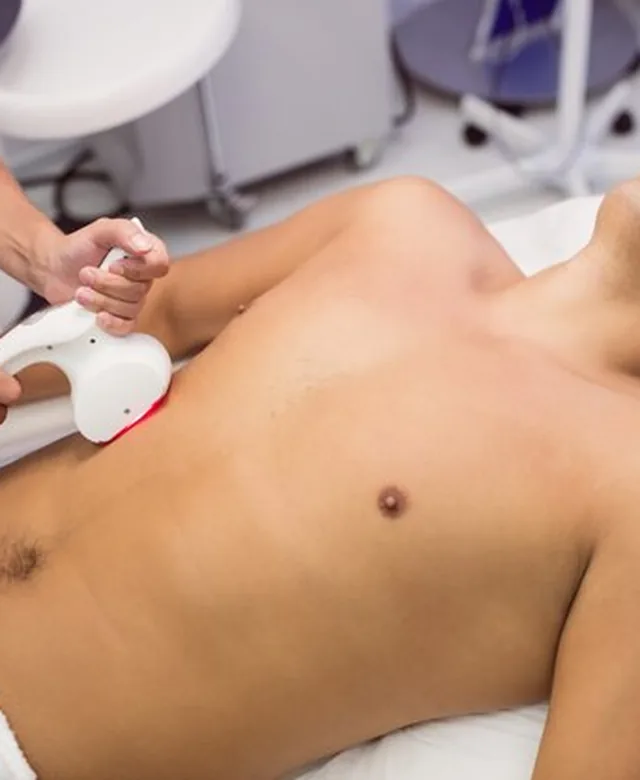
Before surgery, the first visit is an evaluation like any other, with one extra column: what is about to be taken away. We test the joint, the limb, and the pattern you use to get around, then build the six or eight weeks of work that will still be paying you back on the far side. You also leave knowing how to use the crutches and how to get off the sofa, which is a better time to learn it than the afternoon you get home.
After surgery, the visit starts with the protocol and the incision, then moves to swelling, motion, and hands-on work where the restrictions allow. From there it is the loading for the phase you are in, done with your doctor in the room the whole 40 minutes rather than a tech and a printed sheet. If your progress runs ahead of or behind what the protocol expects, that is a phone call to your surgeon, not a guess.
I had an incredible experience at Propel Physical therapy. My recovery progressed at a rate that amazed both my doctors and me.
How It Fits Your Plan
Calm it down.
Swelling, protected motion, and safe movement inside the protocol. You leave the first visit knowing what the restrictions mean in real life.
Restore what’s stuck.
Range of motion and scar mobility, taken back on the schedule the tissue will tolerate, not the one impatience would pick.
Build strength you trust.
Progressive load against standards you clear before moving on, including the side that was not operated on and quietly lost ground too.
Make it stay fixed.
Return-to-activity testing before you’re cleared, then a keep-it-gone program sized to your real week. Then we graduate you.
This fits three people. The one with a date on the calendar who wants the weeks before it to count. The one who is a week out from an operation with a folder of instructions and no idea what they mean on a Tuesday. And the one who finished a course of rehabilitation somewhere else, was discharged, and still cannot do the one thing they had the surgery for. Not every problem is a rehabilitation problem, though: if you need a surgeon, we will say so, and we would rather send you than keep you.
People who prehab are usually the ones who read the protocol in the parking lot. That is not anxiety. That is somebody who intends to get the full return on an operation they only want to have once.
Pairs Well With
Each of these is a tool inside the plan. None of them is the plan.
Questions, Answered
Prehab is the work you do between the day surgery is scheduled and the day it happens: mobility for the joints that will be stiff afterward, strength in the muscles that will be told to rest, and a rehearsal of the crutches, the stairs, and the getting-out-of-bed you will be doing on day one. You go into the operating room with more to lose, which is exactly the point. It is also the calmest time to learn the movements, because you are not learning them in pain.
That is your surgeon’s call, and it is written into the protocol you leave with. Some procedures start rehabilitation almost immediately; others wait for a brace, a sling, or a weight-bearing restriction to lift. Bring the protocol to your first visit. We build the plan from it rather than around it, and if something in your recovery does not match what the protocol expects, we say so and send you back to your surgeon.
Sometimes, and honestly, sometimes not. Plenty of joints and backs that have been handed a surgical date settle down with a cause-first plan and never need the operation. Other cases are structural, and no amount of good rehabilitation changes what the imaging shows. Your evaluation tells you which conversation you are in, and if the answer is a surgeon, we say so instead of selling you a course of visits.
No. Texas allows direct access to physical therapy, so you can book an evaluation before or after surgery without waiting on paperwork. After an operation we still want your surgeon’s protocol in hand, and if your insurance requires a referral for reimbursement we’ll flag it during your free benefits check and help you get one.
Book Your Visit
Five short questions. A real person from our front desk calls you back with times that fit your week. No phone tree, no ‘someone will reach out.’ Rather pick a slot yourself? Book online any time.
5.0 · 94 Google reviews
A real person calls you back during office hours
Step 1 of 5
That’s the hard part done. We’ll call during business hours to lock in your time.
Visit Us
Suite 203 on Cypress Creek Road in Cedar Park, open Monday to Friday from seven. Come see the place before you commit, if you like.